
Small Intestinal Bacterial Overgrowth (SIBO)
Too many bacteria growing where they shouldn't — in the small intestine instead of the colon. Causes bloating, gas, and diarrhea. Diagnosed by breath test; treated with antibiotics.
Category
Common
Red flags
2
This article is educational and does not replace your doctor's advice. Seek urgent care for any red-flag symptoms.
What is it?
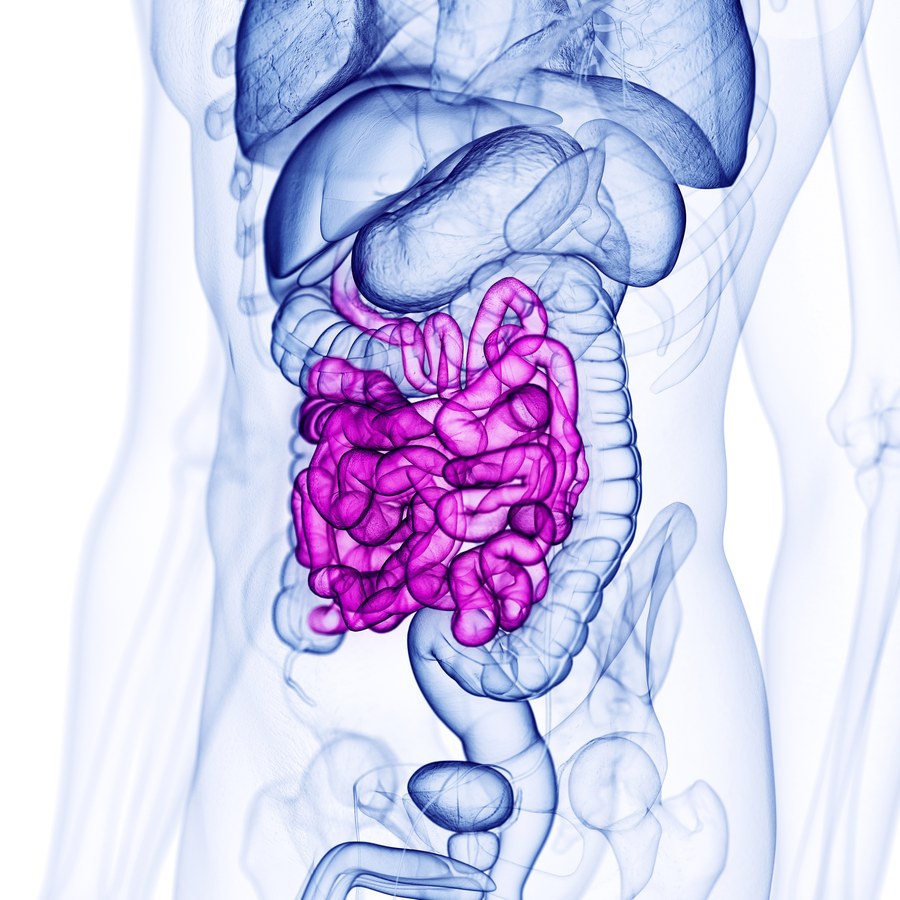
The small intestine is normally low-bacteria — most of our gut bacteria live in the colon. In SIBO, large numbers of bacteria colonize the small intestine and ferment food before it can be properly absorbed. The result is gas, bloating, and sometimes nutrient deficiencies.
How common is it?
Hard to estimate precisely (under-recognized) but probably affects 5-10% of the population. Much higher rates in people with diabetes, scleroderma, prior abdominal surgery, or chronic PPI use.
Why does it happen?
Anything that slows the small intestine's natural cleansing waves (the "migrating motor complex") allows bacteria to accumulate. Common causes: diabetes (slows motility), prior bowel surgery, scleroderma, chronic opioid use, anatomical changes (diverticula, blind loops), low stomach acid (long-term PPI use), Crohn's strictures.
Symptoms
- Bloating and abdominal distension — often appears within 30 minutes of eating
- Excessive gas (belching or flatulence)
- Diarrhea, sometimes alternating with constipation
- Abdominal cramping
- Fatigue
- In severe cases: weight loss, B12 deficiency, fat malabsorption
Red flags — seek urgent medical care
Severe weight loss with diarrhea
Investigate for celiac, Crohn's, or pancreatic insufficiency.
Steatorrhea (oily, foul-smelling, floating stools)
Severe malabsorption — needs full workup.
How is it diagnosed?
Hydrogen-methane breath test — you drink a sugar solution (lactulose or glucose) and breathe into a device every 20 minutes for 2-3 hours. A rise in hydrogen or methane indicates bacterial overgrowth. Imaging may identify anatomical causes (diverticula, strictures).
Outlook — what to expect
Antibiotics work for most patients, but recurrence is common — about 40% relapse within 6 months unless the underlying cause is addressed. Long-term management focuses on the root cause (motility, anatomy, PPI use).
Treatment
Habits & Lifestyle
Habits help maintain gut motility.
- Wait at least 4 hours between meals — lets the cleansing waves work.
- Avoid late-night snacking.
- Walk after meals.
- Sleep on your right side may help motility.
- Address underlying causes: optimize diabetes control, taper PPI if possible, treat constipation.
Diet
Diet is supportive, not curative.
- Low-FODMAP diet often reduces symptoms — but maintain it only short-term.
- Limit fermentable foods (onions, garlic, beans, wheat) during flares.
- Avoid sugary drinks and large amounts of fruit juice.
Medications
Antibiotics are the cornerstone.
- Rifaximin 550 mg three times daily for 14 days — first-line, mostly stays in the gut, well tolerated.
- Add neomycin or metronidazole for methane-positive SIBO.
- Prokinetics (low-dose erythromycin, prucalopride) between courses to prevent recurrence.
- Probiotics — controversial; some evidence both ways.
Procedures & Surgery
Procedures address underlying anatomical causes.
- Surgery for diverticula, blind loops, or strictures only when clearly contributing.
Questions to ask your doctor
Save this list or print it before your appointment — doctors appreciate prepared patients.
- Could my long-term PPI be causing or worsening SIBO?
- Should I do the breath test before starting antibiotics?
- What can I do to prevent recurrence?
Medically reviewed by: SGA Patient Education Panel · Last reviewed 24/04/2026