
Irritable Bowel Syndrome (IBS)
A common condition causing abdominal pain, bloating, and altered bowel habits — without any visible damage to the gut. Real, distressing, and very manageable.
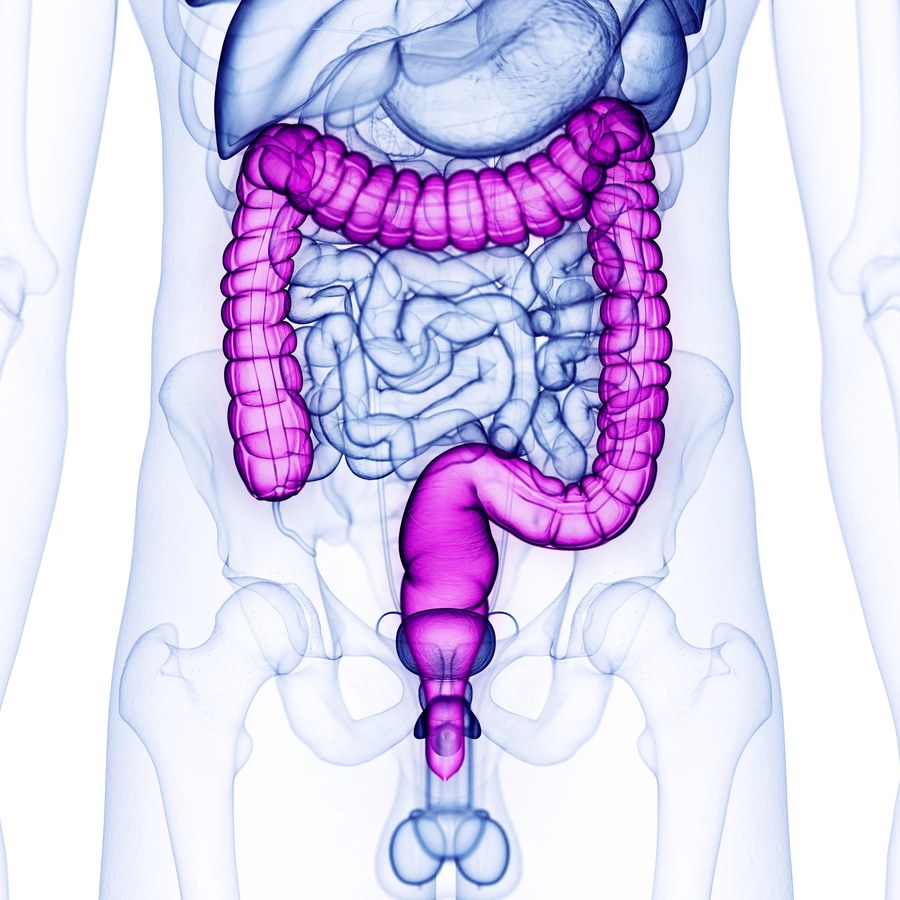
This article is educational and does not replace your doctor's advice. Seek urgent care for any red-flag symptoms.
What is it?
IBS is a brain-gut disorder where the gut is more sensitive than normal and its movement is altered. Tests show no inflammation or damage — but symptoms are real. There are three subtypes: IBS-D (diarrhea-predominant), IBS-C (constipation-predominant), and IBS-M (mixed).
How common is it?
Affects 10-15% of adults globally. Saudi studies show similar rates — about 12% of adults. More common in women (2:1) and in people aged 20-50.
Why does it happen?
Multiple factors: altered brain-gut communication, hypersensitivity of gut nerves, abnormal gut motility, changes in gut microbiome, prior gastroenteritis ("post-infectious IBS"), genetics, anxiety and depression. NOT caused by allergy or psychosomatic alone.
Symptoms
- Abdominal pain related to bowel movements (better or worse after going)
- Diarrhea, constipation, or alternating between the two
- Bloating
- Mucus in the stool
- Symptoms come and go in waves over months/years
- Often worse with stress, certain foods, or hormonal cycles
Red flags — seek urgent medical care
Blood in stool (not just from hemorrhoids)
Investigate for IBD or cancer.
Unintentional weight loss
Always investigate.
Onset of new symptoms after age 50
Colonoscopy needed.
Family history of bowel cancer or IBD
Lower threshold for investigations.
Iron-deficiency anemia
Investigate.
Nighttime symptoms that wake you up
IBS rarely wakes patients — investigate.
How is it diagnosed?
Diagnosis is clinical, based on Rome IV criteria — recurrent abdominal pain at least 1 day/week for 3 months, related to bowel habits. Most patients under 45 with no red flags need only basic blood tests, celiac screening, and stool calprotectin. Colonoscopy is reserved for red-flag features or older patients.
Outlook — what to expect
IBS is chronic but does not damage the gut or shorten life. Most patients find a combination of diet, lifestyle, and (sometimes) medication that lets them live normally. Symptoms often improve with age.
Treatment
Habits & Lifestyle
Lifestyle is the foundation — and works.
- Regular meal times and exercise routine.
- Walk 30 minutes most days — improves both motility and mood.
- Stress management: yoga, prayer, meditation, breathing exercises, CBT.
- Sleep 7-8 hours — disrupted sleep worsens IBS.
- Limit alcohol and caffeine.
- Keep a 2-week diary tracking food, stress, symptoms — patterns become clear.
Diet
Diet matters more than for most GI conditions. Two evidence-based approaches.
- TIER 1 — General: regular meals, limit fatty foods, large meals, alcohol, caffeine, fizzy drinks.
- TIER 2 — Low-FODMAP: structured 4-6 week elimination of fermentable carbs (lactose, fructose, fructans, polyols), then careful reintroduction. Works for 60-70%. Best done with a dietitian.
- Soluble fiber (psyllium) helps constipation; insoluble fiber may worsen bloating.
- Peppermint oil (enteric-coated capsules) reduces pain and bloating in many.
Medications
Medications target the dominant symptom.
- IBS-D: loperamide for diarrhea, eluxadoline (Viberzi), rifaximin.
- IBS-C: PEG, linaclotide, prucalopride.
- Antispasmodics (mebeverine, hyoscine, peppermint oil) before meals for cramping.
- Low-dose tricyclic antidepressants (amitriptyline 10-25 mg at bedtime) for moderate-to-severe IBS-D — works on visceral pain.
- SSRIs for IBS-C with anxiety.
Procedures & Surgery
Procedures are mostly diagnostic, not therapeutic.
- Cognitive Behavioral Therapy (CBT) and gut-directed hypnotherapy have STRONG evidence — both improve symptoms substantially.
- Colonoscopy if red flags or age >45.
In the Saudi context
IBS is one of the most common reasons Saudis visit gastroenterology clinics. Sehhaty offers initial telehealth consultations. Several Saudi dietitians are now low-FODMAP certified. Cultural and dietary factors (high-fat foods at family gatherings, late-night meals, Ramadan eating patterns) affect symptoms.
Questions to ask your doctor
Save this list or print it before your appointment — doctors appreciate prepared patients.
- Which IBS subtype do I have, and how does that affect treatment?
- Should I try a low-FODMAP diet?
- Could brain-gut behavioral therapy help me?
- Are my symptoms worth a colonoscopy?
Medically reviewed by: SGA Patient Education Panel · Last reviewed 24/04/2026