
Gastroparesis (Slow Stomach Emptying)
A condition where the stomach empties too slowly, causing nausea, fullness, and bloating after meals. Often related to diabetes. Manageable but rarely fully cured.
Category
Chronic
Red flags
3
This article is educational and does not replace your doctor's advice. Seek urgent care for any red-flag symptoms.
What is it?
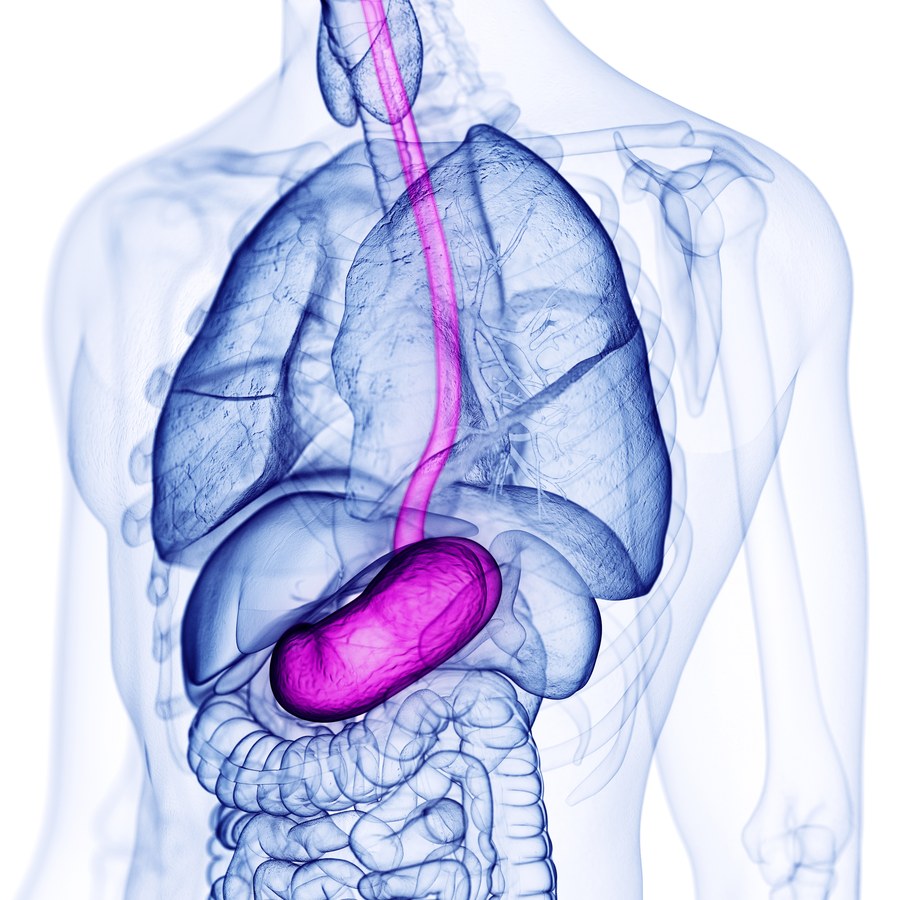
Gastroparesis means "stomach paralysis" — though usually the stomach is just sluggish, not truly paralyzed. The muscles or nerves that move food from the stomach into the small intestine work poorly, so food stays in the stomach for hours longer than normal.
How common is it?
Affects ~2% of the population. The two biggest causes in Saudi Arabia are diabetes (long-standing, poorly controlled) and post-surgical (after stomach or esophageal surgery). Some cases are idiopathic — no clear cause found.
Why does it happen?
The vagus nerve, which controls stomach emptying, is damaged. In diabetes, high blood sugar over years damages this nerve. Other causes: post-viral, post-surgical, certain medications (opioids, GLP-1 agonists at high doses), Parkinson's disease.
Symptoms
- Nausea (almost universal)
- Vomiting, often hours after a meal — vomit may contain undigested food eaten earlier
- Bloating and abdominal fullness, even after small meals
- Loss of appetite, weight loss
- Reflux/heartburn that does not respond to PPIs
- Erratic blood sugar in diabetics
Red flags — seek urgent medical care
Severe dehydration (dizziness, no urine, dark urine)
Need IV fluids — go to hospital.
Inability to keep ANY food or fluid down for 24 hours
Hospitalization needed.
Bezoar formation (hard mass of undigested food)
May need endoscopic removal.
How is it diagnosed?
Gastric emptying scintigraphy is the gold standard — you eat a meal containing a tiny amount of radioactive tracer, and a scanner measures how much remains in your stomach over 4 hours. Endoscopy rules out a mechanical blockage. SmartPill capsule is a newer alternative.
Outlook — what to expect
Variable. Some patients improve dramatically with diet and medication; others struggle for years. Tight blood sugar control is critical for diabetic gastroparesis. Modern treatments (GES, pyloric procedures) help most patients live well with this condition.
Treatment
Habits & Lifestyle
Diet and small habit changes are the most important treatment.
- Eat 4-6 small meals per day instead of 2-3 large ones.
- Sit upright for at least 1 hour after eating.
- Walk for 15-30 minutes after meals — gentle movement helps emptying.
- For diabetics: tight blood sugar control prevents progression.
- Avoid lying down within 2 hours of eating.
Diet
Low-fat, low-fiber, smaller portions — and lots of liquids.
- Limit fat — slows emptying further. Choose lean protein.
- Limit fiber — raw vegetables, whole grains, nuts. They form bezoars.
- Liquid calories pass faster — soups, smoothies, milk.
- Cooked vegetables (no skins, no seeds) over raw.
- Avoid carbonated drinks — they make distension worse.
- Work with a dietitian familiar with gastroparesis.
Medications
Medications target nausea and stomach motility.
- Metoclopramide (Reglan) — first prokinetic; limited to 3 months due to risk of tardive dyskinesia.
- Domperidone — better safety; widely used in Saudi Arabia; needs ECG monitoring.
- Erythromycin — antibiotic that also speeds gastric emptying; effective short-term.
- Anti-nausea: ondansetron, prochlorperazine.
- Stop opioids and reduce GLP-1 doses if these are contributing.
Procedures & Surgery
Procedures help refractory cases.
- Pyloric procedures (G-POEM) — endoscopic muscle cut at the stomach outlet; helps 70-80%.
- Botulinum toxin injection at the pylorus — temporary effect.
- Gastric electrical stimulation (GES) — implanted "pacemaker" for severe cases.
- Feeding tube (jejunostomy) bypassing the stomach for severe weight loss.
Questions to ask your doctor
Save this list or print it before your appointment — doctors appreciate prepared patients.
- What's causing my gastroparesis — diabetes, post-viral, idiopathic?
- Should I see a dietitian specialized in gastroparesis?
- Am I a candidate for G-POEM or gastric stimulator?
- Could any of my medications be slowing my stomach?
Medically reviewed by: SGA Patient Education Panel · Last reviewed 24/04/2026