
Chronic Pancreatitis
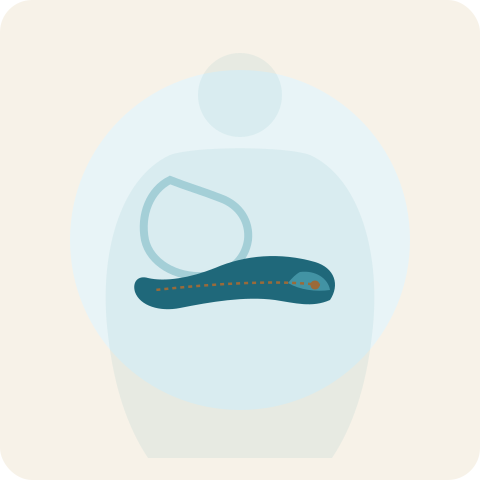
Long-term pancreas damage from repeated inflammation. Causes ongoing pain, poor digestion (steatorrhea), and sometimes diabetes. Managed with diet, enzyme replacement, and pain control.
Category
Chronic
Red flags
2
This article is educational and does not replace your doctor's advice. Seek urgent care for any red-flag symptoms.
What is it?
Chronic pancreatitis is permanent damage and scarring of the pancreas from years of inflammation. The pancreas slowly loses its ability to make digestive enzymes (causing fat malabsorption) and insulin (causing diabetes). Pain is often the most distressing symptom.
How common is it?
Less common than acute pancreatitis. About 30-50 per 100,000. In Saudi Arabia, alcohol is less common as a cause; gallstones, hypertriglyceridemia, autoimmune causes, and idiopathic are more frequent.
Why does it happen?
Common causes (mnemonic TIGAR-O): Toxic-metabolic (alcohol, smoking, hyperlipidemia), Idiopathic, Genetic (CFTR, SPINK1, PRSS1), Autoimmune, Recurrent acute pancreatitis, Obstructive (tumor, stricture). Multiple acute episodes can lead to chronic.
Symptoms
- Recurrent or constant upper abdominal pain — variable severity
- Pain worse after meals (especially fatty)
- Pain often radiates to the back
- Pale, oily, foul-smelling stools (steatorrhea) — fat is not being absorbed
- Weight loss
- New diabetes (sometimes called "type 3c")
- Vitamin deficiencies (A, D, E, K)
Red flags — seek urgent medical care
Severe pain with fever or jaundice
Could be pseudocyst infection, cholangitis, or pancreatic cancer — investigate.
Sudden severe pain unlike usual
Acute flare or pseudocyst rupture — ED.
How is it diagnosed?
Imaging shows pancreatic calcifications, ductal changes, atrophy: CT, MRI/MRCP, EUS. Function tests: stool fat, fecal elastase (low). Blood tests for diabetes (glucose, HbA1c). Genetic testing if early-onset or family history.
Outlook — what to expect
Pain often improves over years (the pancreas eventually "burns out" and stops causing pain) but malabsorption and diabetes are permanent. With enzyme replacement and proper diet, most patients have good quality of life.
Treatment
Habits & Lifestyle
Stop the cause and support what's left.
- Stop alcohol completely — single most important.
- Stop smoking — accelerates pancreatic damage.
- Manage diabetes carefully (often "brittle" — swings high and low).
- Get vaccinated against pneumococcus, flu, hepatitis A and B.
- Pancreatic cancer screening if hereditary risk.
Diet
Small frequent meals; pancreatic enzymes with every meal.
- 5-6 small meals daily.
- Take pancreatic enzyme replacement (Creon) with EVERY meal and snack — not after.
- Adequate protein and calories — many patients are undernourished.
- Don't restrict fat unnecessarily — enzymes help digest it. But avoid huge fatty meals that trigger pain.
- Fat-soluble vitamins (A, D, E, K) often need supplementation.
Medications
Multiple drugs target different aspects.
- Pancreatic enzymes (Creon) — start at 25,000-50,000 units lipase per meal, titrate up.
- Pain control: paracetamol first, then add tramadol, then opioids if needed (cautiously — risk of dependence high).
- Pregabalin or gabapentin for neuropathic pain component.
- Insulin for diabetes — usually requires insulin.
- Antioxidants (vitamins, selenium) — modest benefit in some patients.
Procedures & Surgery
Procedures for pain or complications.
- ERCP with pancreatic stenting or stone removal for ductal obstruction.
- Celiac plexus block for pain (temporary).
- Surgery (Frey, Beger, Whipple procedures) for refractory pain or complications.
- Total pancreatectomy with islet auto-transplantation in carefully selected patients.
Questions to ask your doctor
Save this list or print it before your appointment — doctors appreciate prepared patients.
- What caused my chronic pancreatitis?
- Am I taking enough pancreatic enzymes?
- Should I see a pain specialist?
- What's my pancreatic cancer risk?
Medically reviewed by: SGA Patient Education Panel · Last reviewed 24/04/2026