
Celiac Disease
An immune reaction to gluten (a protein in wheat, barley, rye) that damages the small intestine. Lifelong strict gluten-free diet is the only treatment — and is highly effective.
This article is educational and does not replace your doctor's advice. Seek urgent care for any red-flag symptoms.
What is it?
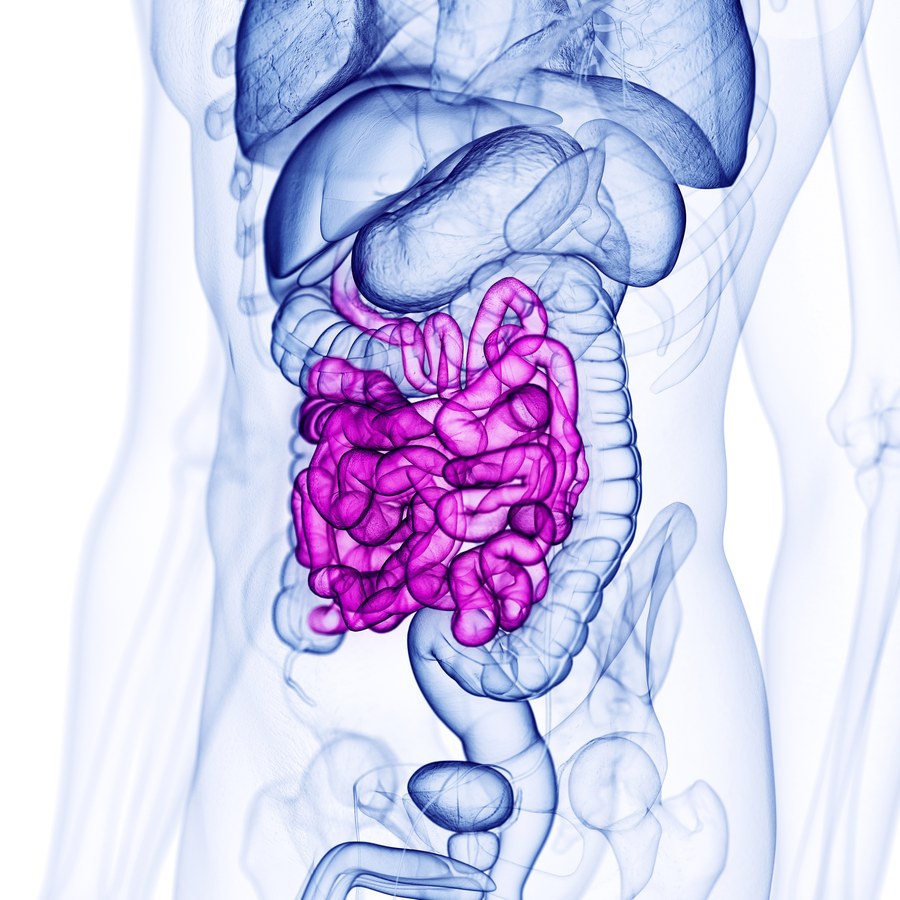
In celiac disease, eating gluten triggers the immune system to attack the lining of the small intestine. This damages the tiny finger-like projections (villi) that absorb nutrients. The result: poor absorption of iron, calcium, vitamins, and energy from food.
Celiac is NOT an allergy and NOT just a sensitivity — it is an autoimmune disease. Even tiny amounts of gluten cause damage, even without symptoms.
How common is it?
Affects ~1 in 100 people worldwide. Saudi studies suggest 1.5–2.5% prevalence — higher than global average, possibly due to high wheat consumption and consanguineous marriage. Often runs in families.
Why does it happen?
Genetic predisposition (HLA-DQ2 or HLA-DQ8 genes) plus exposure to gluten triggers the disease. About 30% of people carry the genes but only ~3% develop celiac. Often triggered by an event: pregnancy, severe infection, surgery, or major stress.
Symptoms
- Chronic diarrhea or fatty stools
- Bloating, abdominal pain
- Weight loss despite normal appetite
- Iron-deficiency anemia
- Fatigue, brain fog
- In children: short stature, delayed puberty
- Itchy blistering rash (dermatitis herpetiformis)
- Some patients have NO digestive symptoms — only anemia or osteoporosis
Red flags — seek urgent medical care
Severe weight loss with diarrhea
Could indicate severe malabsorption — needs urgent assessment.
Persistent symptoms despite strict gluten-free diet
Investigate for refractory celiac or hidden gluten exposure.
How is it diagnosed?
Blood tests first — tissue transglutaminase IgA (tTG-IgA) is the screening test. Then upper endoscopy with duodenal biopsies to confirm villous atrophy. CRITICAL: Do NOT start a gluten-free diet before testing — this can give false negatives. Genetic testing (HLA) helps in unclear cases.
Outlook — what to expect
Excellent with strict gluten avoidance — symptoms usually improve in weeks, intestinal healing in 6–12 months. Untreated celiac increases risk of osteoporosis, infertility, certain cancers (small bowel lymphoma), and other autoimmune diseases.
Treatment
Habits & Lifestyle
Lifelong gluten avoidance is non-negotiable. Even small amounts cause damage.
- Read every food label — gluten hides in soy sauce, salad dressings, processed meats, soups.
- Use separate utensils and cutting boards if your household isn't fully gluten-free.
- Cross-contamination from a shared toaster or fryer is enough to cause damage.
- Tell restaurants — most Saudi restaurants now know about gluten-free.
- Get DEXA scan to check bone density at diagnosis.
Diet
Naturally gluten-free foods are the foundation. Special "gluten-free" products are convenient but often less healthy.
- NATURALLY gluten-free: rice, corn, potatoes, legumes, fresh fruits and vegetables, eggs, fresh meat, fish.
- AVOID: wheat (including durum, semolina, freekeh), barley, rye, bulgur, kibbeh, regular bread, regular pasta, regular cereals.
- OATS may be tolerated but only if certified gluten-free (often contaminated).
- Saudi alternatives: rice, hummus, ful, tabbouleh (with quinoa instead of bulgur), grilled meats, gluten-free Saudi bread (available in some bakeries).
- Work with a dietitian — vitamin and mineral deficiencies are common at diagnosis.
Medications
No medications cure celiac — diet is treatment. Some support roles exist.
- Iron, calcium, vitamin D, B12 supplements as needed.
- Probiotics may help bloating during healing.
- Steroids only for severe cases (refractory celiac).
- New drugs (latiglutenase, ZED1227) in clinical trials may help "accidental gluten" exposure but are not yet approved.
Procedures & Surgery
Endoscopy for diagnosis and follow-up.
- Diagnostic endoscopy with at least 4 duodenal biopsies.
- Repeat endoscopy at 1-2 years to confirm healing in selected patients.
Living with the condition
- Connect with a Saudi celiac support group — practical tips on local foods are invaluable.
- Always carry a small snack when traveling — gluten-free options can be hard to find.
- First-degree relatives should be tested even without symptoms — 1 in 10 will have it.
In the Saudi context
Awareness of celiac is rising in Saudi Arabia. Major supermarkets now carry gluten-free products. Several restaurants in Riyadh and Jeddah offer reliable gluten-free menus. The Saudi Celiac Association provides resources and support.
Questions to ask your doctor
Save this list or print it before your appointment — doctors appreciate prepared patients.
- Should my children and parents be tested?
- Do I need a follow-up endoscopy to confirm healing?
- Should I take supplements?
Medically reviewed by: SGA Patient Education Panel · Last reviewed 24/04/2026