
Microscopic Colitis
A common cause of chronic watery diarrhea, especially in older adults — often missed because the colon LOOKS normal on colonoscopy. Diagnosed only by biopsies. Highly treatable with budesonide.
Category
Common
Red flags
2
This article is educational and does not replace your doctor's advice. Seek urgent care for any red-flag symptoms.
What is it?
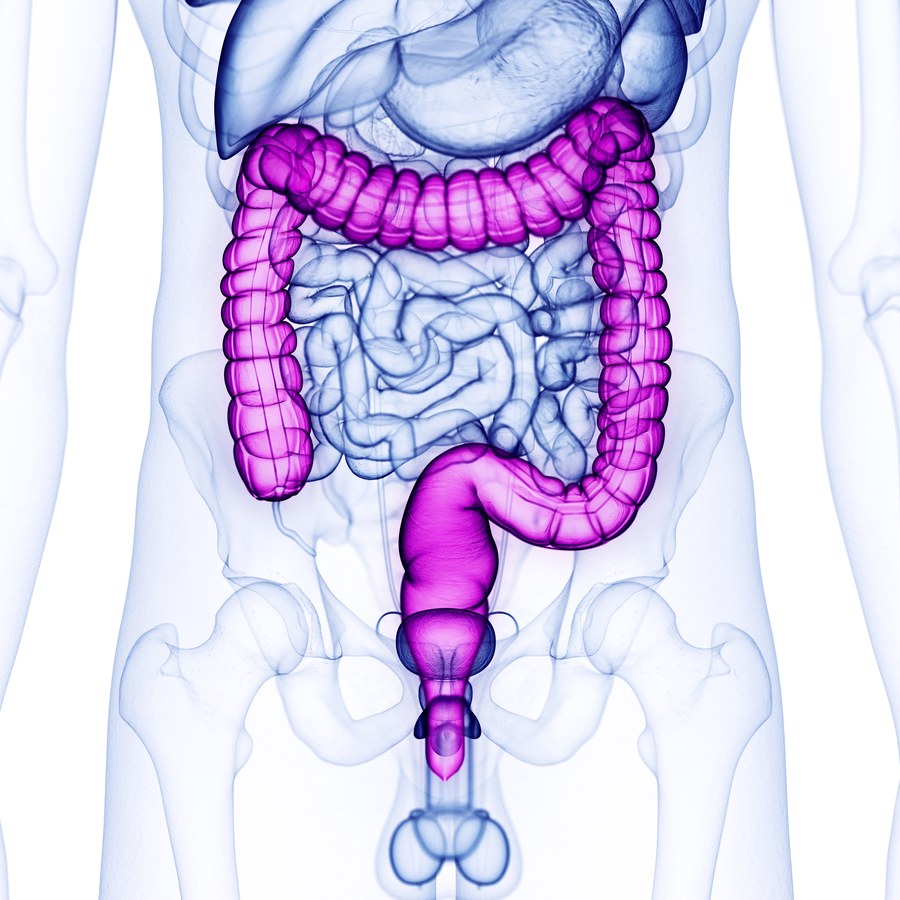
Microscopic colitis is inflammation of the colon lining that is invisible to the eye but visible under the microscope. Two subtypes: collagenous colitis (thick collagen band) and lymphocytic colitis (excess lymphocytes). Both cause the same symptoms and respond to the same treatment.
How common is it?
Probably 1-3% of all chronic diarrhea cases. Strongly age-related — about 10% of chronic diarrhea in patients over 60. More common in women (3:1).
Why does it happen?
Often triggered by medications (NSAIDs, PPIs, SSRIs, ranitidine), and may also occur after autoimmune disease (celiac, hypothyroid), bile acid malabsorption, or smoking. Some have no identifiable trigger.
Symptoms
- Chronic, non-bloody, watery diarrhea — many times per day
- Sudden urgency, sometimes incontinence
- Nighttime diarrhea (waking from sleep)
- Mild abdominal pain or cramping
- Fatigue, sometimes weight loss
- No blood in the stool (an important distinguisher from IBD)
Red flags — seek urgent medical care
Bloody diarrhea
Suggests another diagnosis (UC, infection).
Severe weight loss
Investigate further.
How is it diagnosed?
Diagnosis requires colonoscopy with biopsies from multiple sites in the right and left colon — the colon looks NORMAL to the eye, so the biopsies are essential. Most gastroenterologists know to take biopsies when chronic non-bloody diarrhea is the main symptom.
Outlook — what to expect
Excellent. Most patients achieve remission with budesonide within 2-4 weeks. About 30% have recurring episodes — easily re-treated. Stopping the trigger medication often prevents recurrence.
Treatment
Habits & Lifestyle
Stop the trigger if possible.
- Review all medications with your doctor — especially NSAIDs, PPIs, SSRIs.
- Stop smoking — strongly linked.
- Test for celiac — co-occurs in 5-7%.
Diet
Diet is supportive.
- Avoid caffeine, alcohol, lactose during active diarrhea.
- Stay hydrated — IV fluids if severe.
Medications
Budesonide is highly effective.
- Budesonide 9 mg daily for 6-8 weeks, then taper. First-line. >80% effective.
- Loperamide for symptom control.
- Bismuth subsalicylate (Pepto-Bismol) — alternative if budesonide unavailable.
- Maintenance budesonide 3-6 mg daily for relapsing cases.
Procedures & Surgery
Procedures only for diagnosis.
- Colonoscopy with biopsies — diagnostic.
Questions to ask your doctor
Save this list or print it before your appointment — doctors appreciate prepared patients.
- Could any of my current medications be triggering this?
- Should I be tested for celiac disease?
- What if budesonide doesn't work?
Medically reviewed by: SGA Patient Education Panel · Last reviewed 24/04/2026