
Diverticular Disease
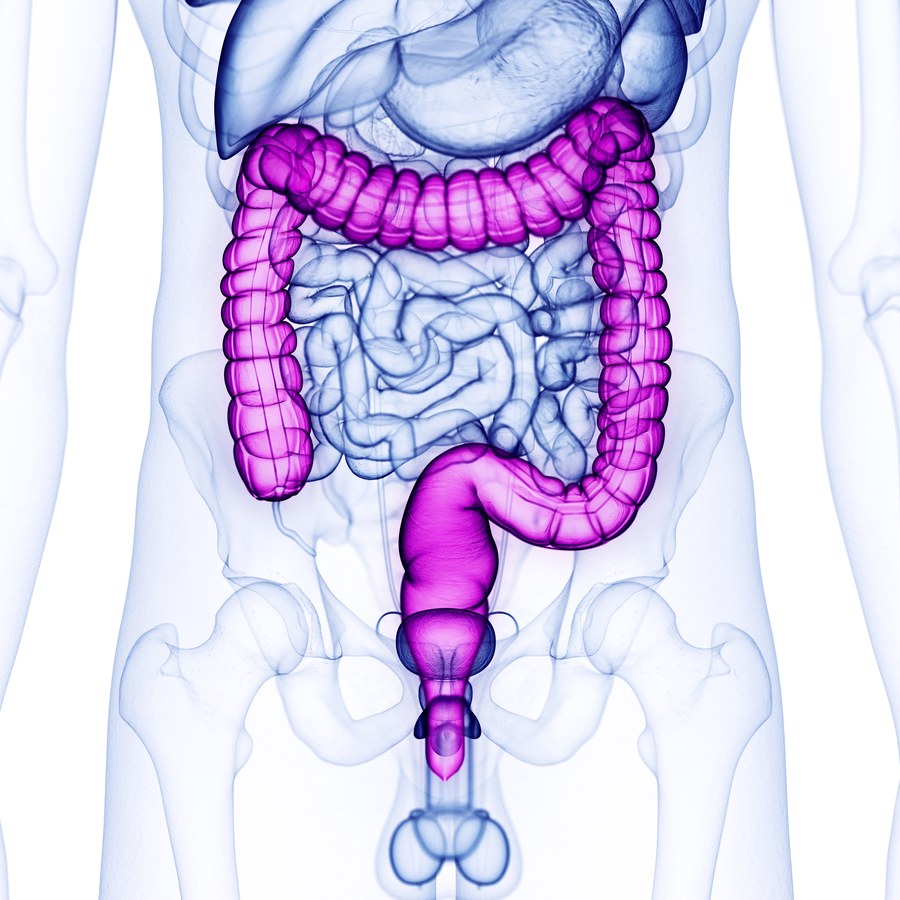
Small pouches that form in the wall of the colon — very common with age. Often silent (diverticulosis), sometimes inflamed (diverticulitis), occasionally bleed. Diet and water are the main protections.
Category
Common
Red flags
4
This article is educational and does not replace your doctor's advice. Seek urgent care for any red-flag symptoms.
What is it?
Diverticula are small pouches that form when the colon wall pushes outward at weak spots. Diverticulosis = pouches with no symptoms (very common with age). Diverticulitis = inflamed or infected pouches causing pain and fever. Diverticular bleeding = pouches that erode a small artery and bleed.
How common is it?
Found in 30% of adults over 60 and 60% over 80. Most common in the sigmoid colon. Saudi rates are rising as the diet becomes more Western (lower fiber, higher fat).
Why does it happen?
Long-standing low-fiber diet leads to small, hard stools that require pressure to move — pressure that pushes the colon wall outward at weak spots. Aging weakens the colon wall. Low physical activity, obesity, smoking, and NSAIDs increase risk of complications.
Symptoms
- DIVERTICULOSIS: usually no symptoms; sometimes mild bloating or change in bowel habits.
- DIVERTICULITIS: persistent pain in the LEFT lower abdomen, fever, change in bowel habits, sometimes nausea.
- DIVERTICULAR BLEEDING: sudden painless bleeding — large amounts of dark or bright red blood from the rectum.
Red flags — seek urgent medical care
Severe abdominal pain with high fever
Possible perforation or abscess — emergency.
Heavy rectal bleeding
ED for transfusion and assessment.
Cannot pass stool or gas with abdominal swelling
Possible obstruction.
Stool or air in the urine
Could be colovesical fistula — investigate urgently.
How is it diagnosed?
CT scan is the best test for suspected diverticulitis (showing inflammation, abscess, perforation). Colonoscopy is done 6 weeks AFTER an episode of diverticulitis to rule out cancer. For asymptomatic diverticulosis: usually found incidentally on colonoscopy.
Outlook — what to expect
Most diverticulosis stays silent forever. About 10-25% develop diverticulitis. Most diverticulitis episodes resolve with antibiotics and bowel rest. About 10% of diverticulitis cases need surgery (for abscess, perforation, fistula, or recurrent attacks). Bleeding usually stops spontaneously.
Treatment
Habits & Lifestyle
Lifestyle prevents complications.
- High-fiber diet daily — 25-30 g.
- 1.5-2 liters of water daily.
- Regular physical activity.
- Stop smoking.
- Avoid NSAIDs if possible — increase risk of bleeding and perforation.
- Maintain healthy weight.
Diet
Old advice to avoid nuts and seeds is OUTDATED — they are SAFE.
- Eat plenty of fruits, vegetables, whole grains, legumes — 25-30 g fiber daily.
- Nuts, seeds, popcorn are SAFE — eat them.
- Add psyllium if natural fiber isn't enough.
- During acute diverticulitis: clear liquids for 2-3 days, then low-residue, then back to high-fiber as you recover.
Medications
Antibiotics for some — but not all — diverticulitis episodes.
- Mild uncomplicated diverticulitis: many can be managed WITHOUT antibiotics, just rest and pain control.
- Moderate-to-severe diverticulitis: antibiotics covering Gram-negative and anaerobic organisms (e.g. ciprofloxacin + metronidazole, or amoxicillin-clavulanate) for 7-10 days.
- Severe cases or complications: IV antibiotics in hospital.
- 5-ASA and rifaximin have been tried for prevention of recurrence — modest benefit at best.
Procedures & Surgery
Procedures handle complications.
- Percutaneous abscess drainage (CT-guided) for diverticular abscess.
- Surgery (sigmoid colectomy) for: perforation, large abscess not amenable to drainage, fistula, recurrent attacks, complicated diverticulitis.
- Colonoscopy 6 weeks after diverticulitis episode to rule out cancer.
Questions to ask your doctor
Save this list or print it before your appointment — doctors appreciate prepared patients.
- Should I follow up with a colonoscopy after this diverticulitis episode?
- Can I really eat nuts and seeds?
- What is my risk of recurrence?
- When would I need surgery?
Medically reviewed by: SGA Patient Education Panel · Last reviewed 24/04/2026